Melasma vs. Chloasma: What’s the Difference?
By Teresa Alasio, MD | Intentional Self Aesthetics, New Canaan, CT
Patients often come to me having seen one or both terms and wondering whether they have different conditions. The short answer: they are the same condition with different names applied in different contexts. Here is the distinction.
Melasma:
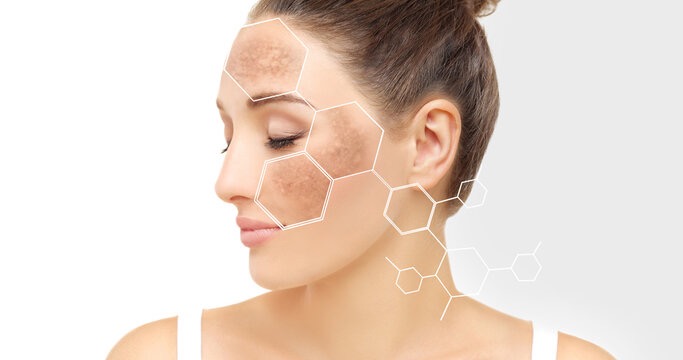
Melasma is the general medical term for the condition characterized by patches of darker pigmentation on the face, caused by overactivated melanocytes. It can affect anyone and is triggered by UV exposure, heat, and hormonal fluctuations. Men can develop it, though it is far more common in women. It is chronic and prone to relapse with sun exposure.
Chloasma:
Chloasma, sometimes called the “mask of pregnancy,” refers specifically to melasma that develops during pregnancy or in association with hormonal contraceptives or hormone replacement therapy. It is the same condition, the same dysregulated melanocyte activity producing the same facial pigmentation pattern, occurring in the specific context of significant hormonal change.
The reason the separate term exists is historical, reflecting the strong clinical association between pregnancy hormones (particularly estrogen and progesterone) and melanocyte stimulation. In modern medicine, chloasma and melasma are often used interchangeably, with “melasma” being the preferred clinical term.
Does the distinction matter for treatment?
Yes, in one important way. If chloasma developed during pregnancy, it often improves or resolves partially after delivery as hormone levels normalize. However, it does not always resolve completely, and sun exposure during and after pregnancy can cement pigmentation that might otherwise have faded. Many women find that what appeared to be temporary pregnancy pigmentation becomes a persistent melasma that requires ongoing management.
If your melasma developed during pregnancy or while on hormonal contraceptives, the hormonal trigger is an important part of your history. It informs decisions about treatment and about whether hormonal factors are still actively driving your pigmentation.
For a complete overview of what melasma is and how it is treated, see the related Ask Dr. Alasio posts.
Have questions about pigmentation that appeared during or after pregnancy? Request a consultation with Dr. Alasio.
Teresa Alasio, MD is a board-certified physician in Pathology, Cytopathology, and Aesthetics and the founder of Intentional Self Aesthetics at 23 Vitti Street, New Canaan, CT.