What Is TMS (Transcranial Magnetic Stimulation)?
By Teresa Alasio, MD | Intentional Self Aesthetics, New Canaan, CT
TMS, or Transcranial Magnetic Stimulation, is an FDA-cleared, non-invasive brain stimulation treatment for depression, anxiety, and OCD. It represents one of the most significant advances in non-pharmacological mental health treatment in the last two decades, offering meaningful relief to patients who have not achieved sufficient results from medication alone.
How TMS works:
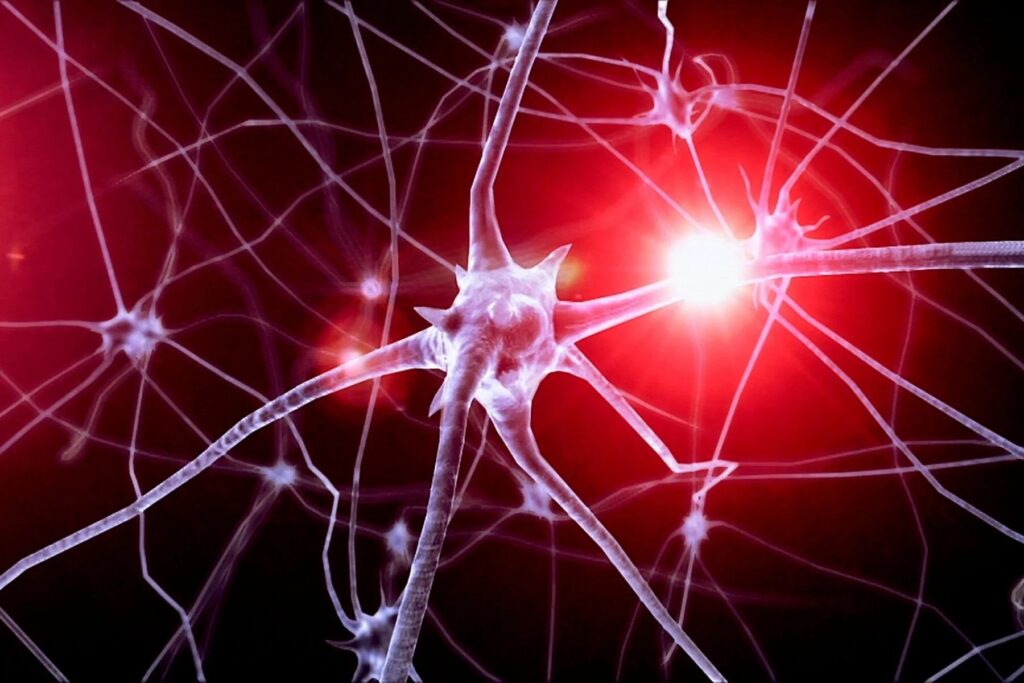
TMS uses precisely targeted magnetic pulses, similar in strength to those used in MRI machines, to stimulate specific regions of the brain associated with mood regulation, particularly the dorsolateral prefrontal cortex. In depression, this region is typically underactive. Repetitive TMS (rTMS) stimulates neural activity in this area, promoting the formation of new neural connections and gradually restoring more balanced brain function.
The treatment is delivered through a coil placed against the scalp. There are no needles, no anesthesia, and no recovery time. Most patients remain awake and comfortable throughout each session, which typically lasts 20 to 40 minutes depending on the protocol.
Who it is for:
TMS is most commonly used for patients with major depressive disorder who have not achieved adequate results from one or more antidepressant medications. It is also FDA-cleared for OCD and anxious depression. Patients who cannot tolerate medication side effects, who are pregnant, or who prefer a non-pharmacological approach are often excellent candidates.
Exomind TMS at Intentional Self Aesthetics:
At Intentional Self Aesthetics, we offer TMS under the Exomind program, targeting high-performing professionals and executives who want to optimize cognitive performance and mental wellness as well as patients seeking treatment for clinical depression and anxiety. Every patient undergoes a thorough evaluation before treatment, and Dr. Alasio oversees the full treatment protocol.
A standard TMS course involves sessions over several weeks. Many patients begin noticing improvement within the first two to three weeks, with full effects typically established by the end of the treatment course.
For information on ketamine therapy for depression and how it compares, see the related Ask Dr. Alasio post.
Ready to learn whether TMS is right for you? Request a consultation with Dr. Alasio.
Teresa Alasio, MD is a board-certified physician in Pathology, Cytopathology, and Aesthetics and the founder of Intentional Self Aesthetics at 23 Vitti Street, New Canaan, CT.