TMS for Depression: Does It Work?
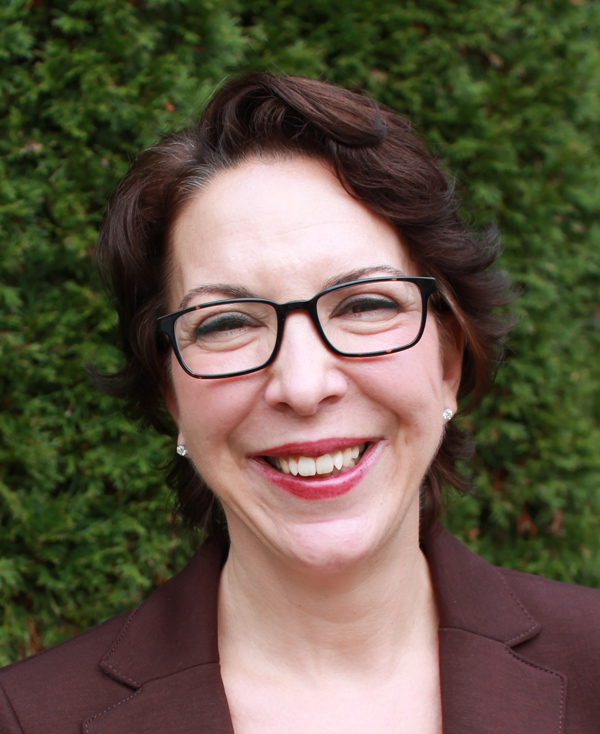
By Teresa Alasio, MD | Intentional Self Aesthetics, New Canaan, CT
The short answer is yes, with an important nuance: TMS works well for the right patients, and identifying whether you are one of those patients requires a proper clinical evaluation.
The evidence base:
TMS has been FDA-cleared for major depressive disorder since 2008, and the clinical evidence has continued to build over nearly two decades of use. Multiple large randomized controlled trials and real-world studies demonstrate that TMS produces meaningful antidepressant effects in patients who have not responded adequately to antidepressant medications.
Response rates in clinical studies generally range from 50-60%, with remission rates (symptoms resolving to the point where the patient no longer meets criteria for depression) in the 30-35% range. These are meaningful outcomes for a patient population that has already not responded to medication.
How the results develop:
TMS is not an immediate fix. Most patients complete a course of treatment over four to six weeks, with daily sessions five days a week. Many begin noticing improvement in mood, energy, and cognitive clarity within the first two to three weeks. The full therapeutic effect typically continues to develop through the end of the course and in the weeks following.
The effects of TMS treatment for depression can be durable. Many patients maintain improvement for a year or more after a single course, with some returning for maintenance sessions if needed.
Who responds best:
Patients with non-psychotic major depressive disorder who have not achieved adequate results from at least one antidepressant trial are the core TMS population. Younger patients, those with shorter duration of illness, and those without significant psychiatric comorbidities tend to show the strongest responses, though TMS produces meaningful results across a broad patient population.
TMS versus medication:
TMS does not replace medication for all patients, and for some it is used alongside ongoing pharmacotherapy. For others, particularly those with medication side effect burden or limited tolerance, TMS offers a non-pharmacological path. These are individual clinical decisions made after thorough evaluation.
At Intentional Self Aesthetics:
Our Exomind TMS program is offered under Dr. Alasio’s direct oversight. Every patient is evaluated thoroughly before beginning treatment, and the protocol is tailored to their specific clinical presentation. We treat both patients with clinical depression and high-performing professionals seeking cognitive optimization and resilience support.
Ready to find out if TMS is right for you? Request a consultation with Dr. Alasio.
Teresa Alasio, MD is a board-certified physician in Pathology, Cytopathology, and Aesthetics and the founder of Intentional Self Aesthetics at 23 Vitti Street, New Canaan, CT.