Are At-Home Microneedling Devices Worth It? A Physician’s Honest Answer
By Teresa Alasio, MD | Intentional Self Aesthetics, New Canaan, CT
At-home microneedling devices and rollers and stamps are widely available, aggressively marketed, and a frequent source of questions from my patients. Here is what you actually need to know.
What at-home devices are and what they do:
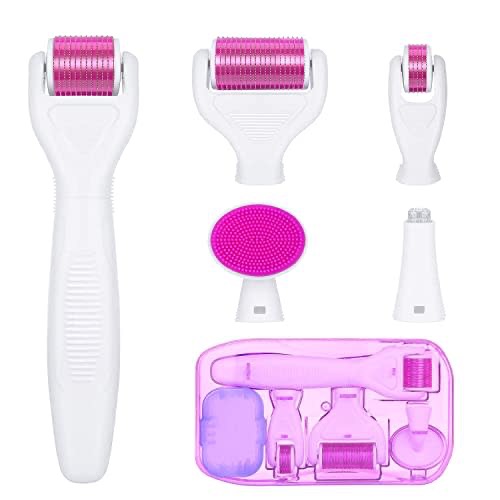
At-home microneedling devices, typically dermarollers or dermastamps, use very short needles (usually 0.2 to 0.5 mm) to create micro-perforations in the surface of the skin. At these depths, the primary effect is enhanced product absorption rather than true collagen induction. They do not penetrate deeply enough to trigger the wound-healing response that produces meaningful collagen remodeling.
How this compares to professional treatment:
Professional RF microneedling, such as the Scarlet RF we use at Intentional Self Aesthetics, uses needles that penetrate 0.5 to 3.5 mm into the dermis and simultaneously deliver radiofrequency energy at precise depths. This creates a controlled injury response that drives real collagen and elastin production, structural skin remodeling, and measurable tightening over time. These are two fundamentally different categories of treatment.
The risks of at-home devices:
This is where I want to be direct. At-home microneedling carries real risks that are underappreciated:
Infection is a genuine concern. Skin barrier disruption from needling creates a portal of entry for bacteria. Rollers that are not properly sterilized between uses, or that are used past their useful life, can introduce bacteria directly into the skin. I have seen patients with post-inflammatory hyperpigmentation and scarring from improper at-home use.
Incorrect technique matters. Rolling over active acne, rosacea, or inflamed skin can spread bacteria and worsen conditions significantly. Most people using these devices at home have not been trained in proper technique or contraindications.
Product interactions. Applying certain active ingredients, including vitamin C, retinoids, or strong acids immediately after needling can cause significant irritation because the compromised barrier absorbs them at a much higher rate than intended.
The bottom line:
At-home dermarollers are not inherently dangerous if used correctly with appropriate needle depth, proper sterilization, and suitable skin. But their benefits are modest and their misuse risks are real. If you are interested in the actual results that microneedling can produce, a professional treatment series is a meaningfully better and safer investment.
Interested in what professional RF microneedling can do for your skin? Request a consultation with Dr. Alasio.
Teresa Alasio, MD is a board-certified physician in Pathology, Cytopathology, and Aesthetics and the founder of Intentional Self Aesthetics at 23 Vitti Street, New Canaan, CT.