Do At-Home LED Face Masks Actually Work?
By Teresa Alasio, MD | Intentional Self Aesthetics, New Canaan, CT
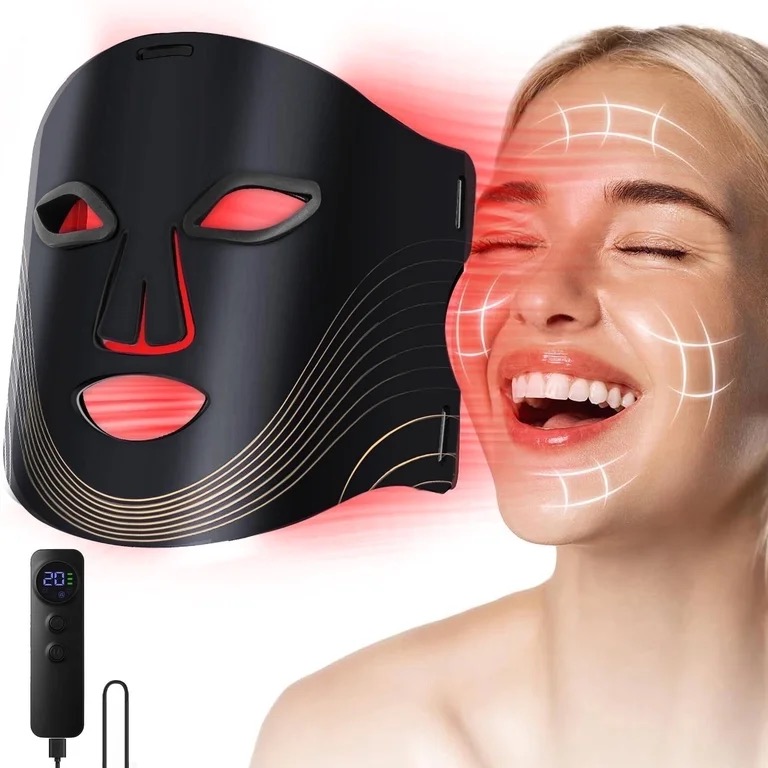
LED face masks have become one of the most popular at-home skincare devices on the market, with some models selling for hundreds of dollars and enthusiastic endorsements all over social media. The science behind LED therapy is real. Whether that science applies to what you’re buying at home is a different question.
What LED therapy actually does:
Light-emitting diode (LED) therapy uses specific wavelengths of light to stimulate biological responses in the skin. Red light (roughly 630 to 700 nm) penetrates the dermis and has been shown in clinical studies to stimulate fibroblast activity, support collagen production, and reduce inflammation. Near-infrared light penetrates even deeper and can support cellular energy production and tissue repair. Blue light targets surface bacteria and is used for acne treatment. These are real, documented mechanisms with a legitimate clinical evidence base.
The professional versus at-home gap:
Professional LED devices used in clinical settings deliver significantly higher irradiance (power output per unit area) than consumer devices. The energy dosage matters enormously in light therapy. Many at-home masks simply do not deliver enough energy to replicate the biological effects seen in clinical studies. They are not dangerous, but their efficacy is substantially more modest than professional treatment.
What at-home LED masks can reasonably do:
For consistent, long-term use, quality at-home LED devices may support skin health as a maintenance tool: mild improvement in skin tone, some reduction in surface inflammation, and a general supportive effect on skin cellular function. They are best thought of as a complement to professional care rather than a replacement for it.
What they cannot do:
At-home LED masks will not reverse significant photoaging, treat moderate to severe acne, produce meaningful collagen remodeling, or deliver the results of a professional energy-based treatment protocol. If that is what you are looking for, you need professional-grade energy, delivered correctly and consistently.
The bottom line:
At-home LED masks are unlikely to cause harm and may provide modest benefit as part of a broader skincare routine. They are not a substitute for a professional treatment plan. If you are spending significant money on a consumer device hoping for significant results, I would encourage you to redirect that investment toward a consultation and a program that can actually deliver them.
Want to know what professional treatments can do for your skin? Request a consultation with Dr. Alasio.
Teresa Alasio, MD is a board-certified physician in Pathology, Cytopathology, and Aesthetics and the founder of Intentional Self Aesthetics at 23 Vitti Street, New Canaan, CT.