Can I Use Self-Tanner Before a Laser Treatment?
By Teresa Alasio, MD | Intentional Self Aesthetics, New Canaan, CT
This comes up more often than you might expect, particularly in spring and summer, and the answer matters for your safety. Self-tanner and laser treatments are not compatible, and here is why.
Why self-tanner is a problem for laser treatments:
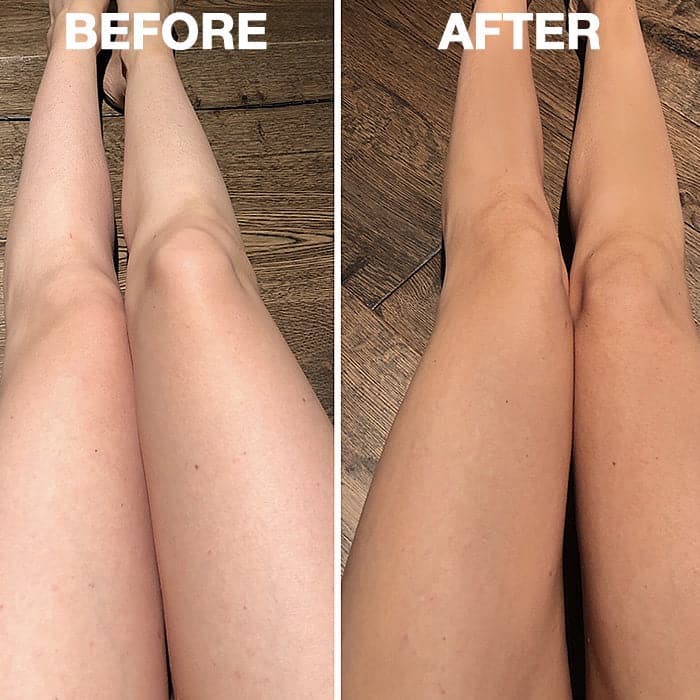
Most laser and light-based treatments, including BBL, Halo, and RF microneedling, work by targeting specific chromophores in the skin. BBL, for example, targets melanin (pigment) and oxyhemoglobin (in blood vessels). When you apply self-tanner, you artificially increase the melanin content at the surface of the skin. The laser cannot distinguish between your natural skin tone and the tanner. It will treat both equally, which means the energy is absorbed at a higher and less controlled rate than intended for your actual skin type.
The risks this creates include burns, blistering, post-inflammatory hyperpigmentation, and uneven results. These are not theoretical risks. They are real and avoidable.
How long to wait:
As a general rule, I ask patients to avoid self-tanner for at least two weeks before any laser or light-based treatment. This allows the tanner to fade and the skin to return to its baseline tone. The full fade time depends on the product and how many layers were applied.
The same applies to actual sun tans. A real tan increases melanin in the skin just as self-tanner does, and carries the same treatment risks. Two weeks of sun avoidance before treatment is the minimum. If you come in with a visible tan, active or self-applied, we will reschedule your treatment. This is not inconvenient caution. It is the right clinical decision.
What to do instead:
If you want a glow leading up to a laser appointment, stick to bronzing makeup that washes off completely. Plan your treatment appointments for before your tan, not after.
After laser treatment:
Sun avoidance after treatment is equally important. Freshly treated skin is significantly more photosensitive, and even brief unprotected sun exposure can cause hyperpigmentation. Broad-spectrum SPF 50 daily, every day, is non-negotiable as part of any laser treatment protocol.
Have a treatment coming up and not sure if your skin is ready? Contact us and we’ll assess before you come in.
Teresa Alasio, MD is a board-certified physician in Pathology, Cytopathology, and Aesthetics and the founder of Intentional Self Aesthetics at 23 Vitti Street, New Canaan, CT.